3D Product Photography
Emersya empowers brands to generate true-to-life product visuals for every SKU, from every angle, across every channel
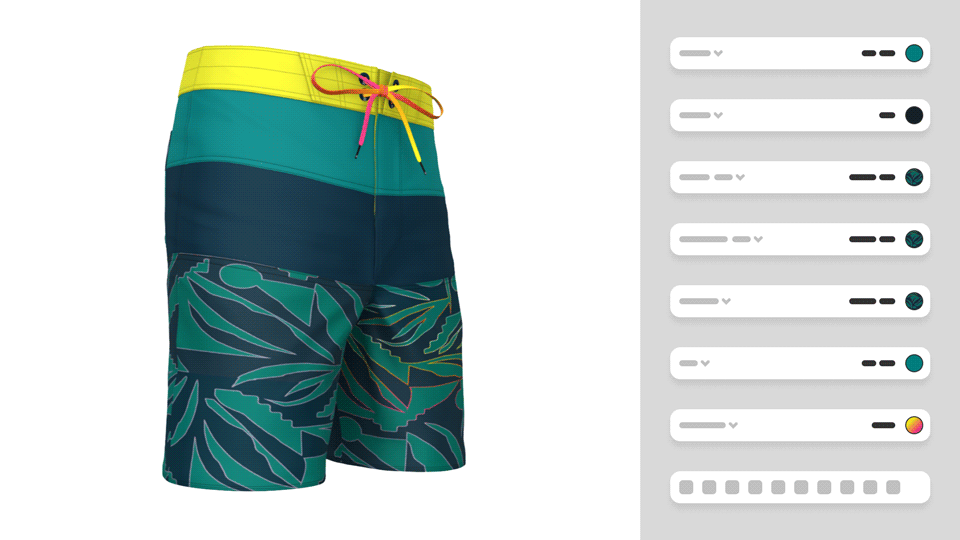
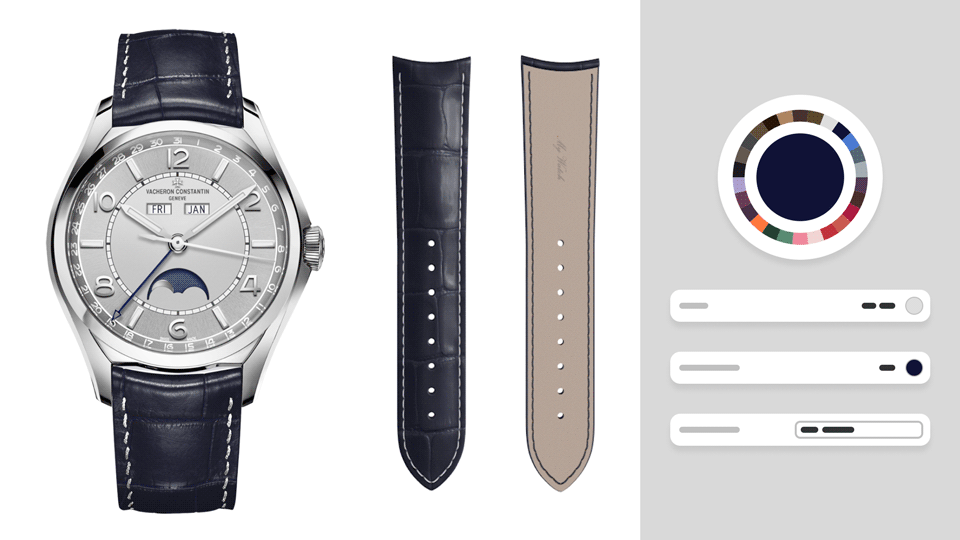
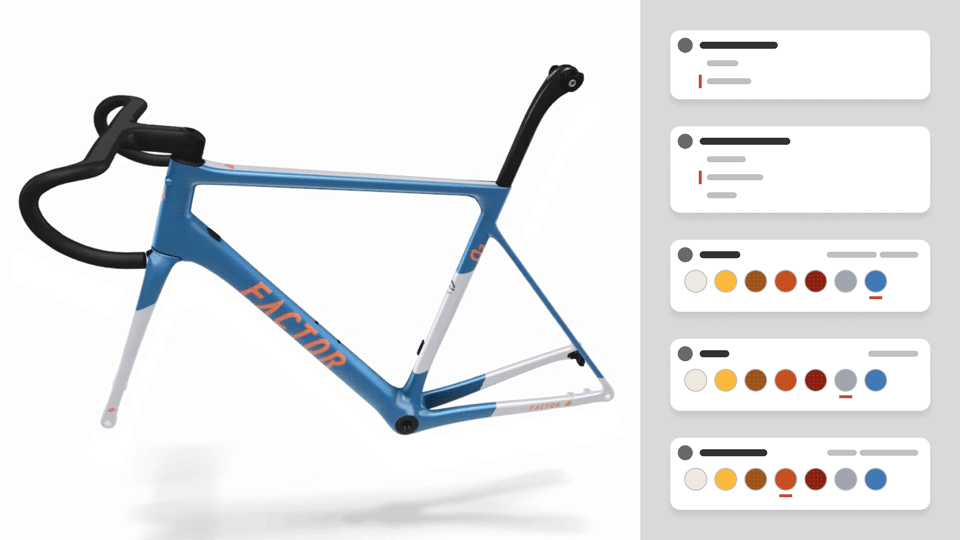
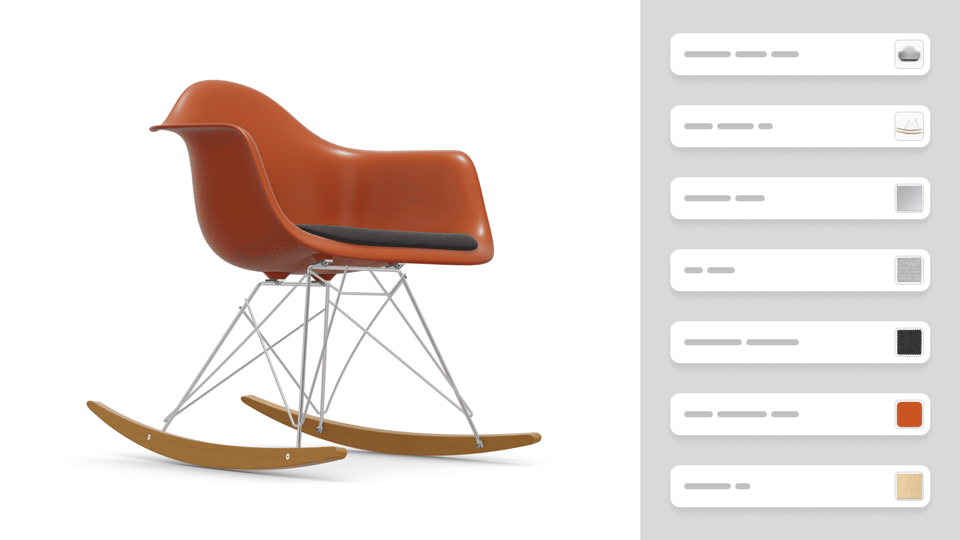
- Automate visual production for every SKU, colorway & configuration
- Eliminate the logistics, delays & costs of traditional photo shoots
- Create, share & update visuals at any stage of the product lifecycle

Generate photo-realistic product visuals at scale
Leverage 3D models to create true-to-life 3D product photography for all SKUs,
from an unlimited number of viewpoints
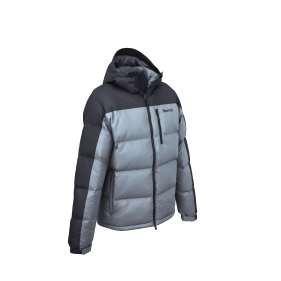
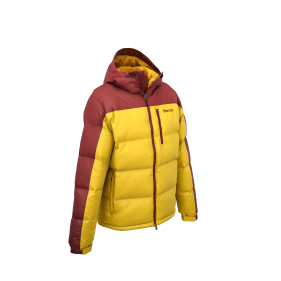
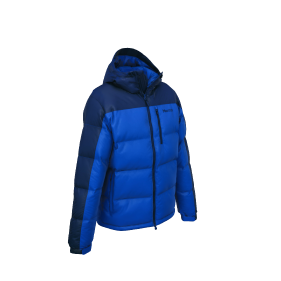
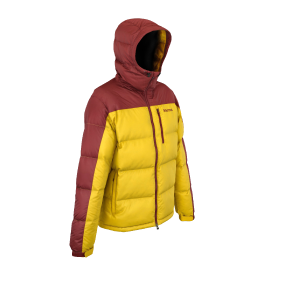
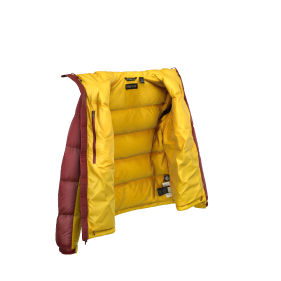
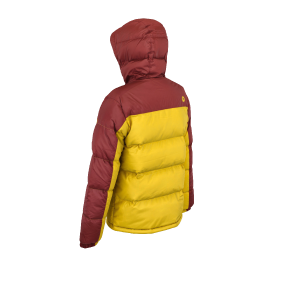
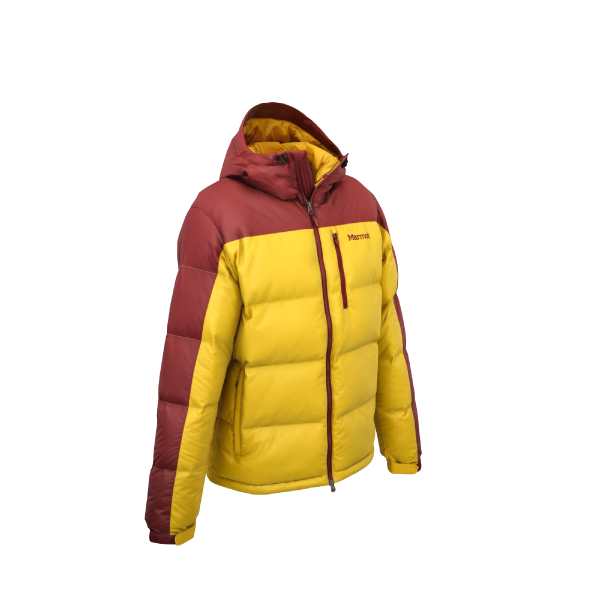
- Any SKU
- Any viewpoint
- Any state or pose
- Any lighting & scenery
- Worn by any model
Make photography more efficient, cost-effective & sustainable
Reduce
physical samples
Accelerate
time to market
Create more
diverse imagery
Reduce costs & increase efficiency
Remove the limits of traditional product photography
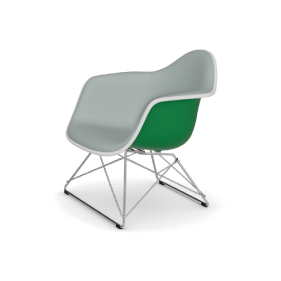
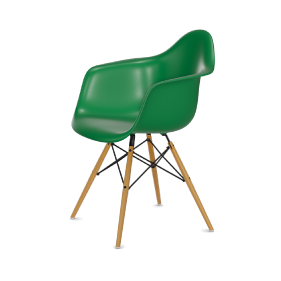
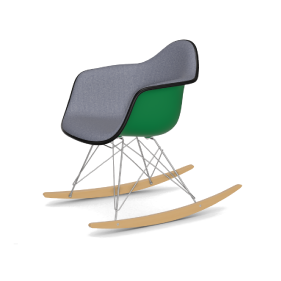
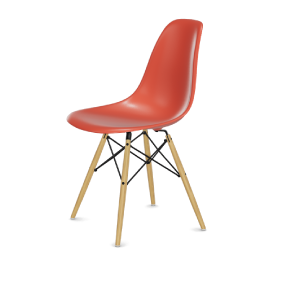
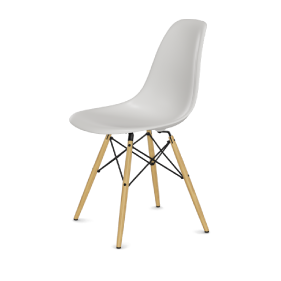
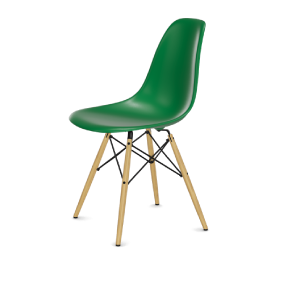
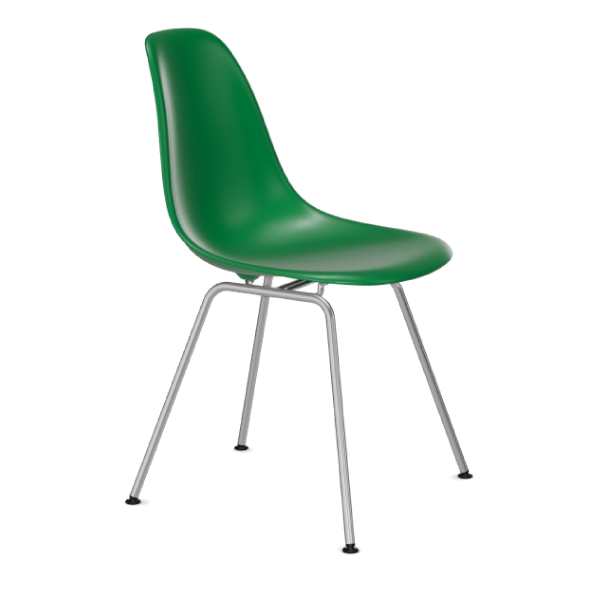
Reduce costs & logistics
Switching to 3D product photography can be more than 6x more cost effective than traditional product photography!
With virtual photography you can generate product images online anytime and from anywhere as all the physical elements of your photo shoots are replaced with digital alternatives.
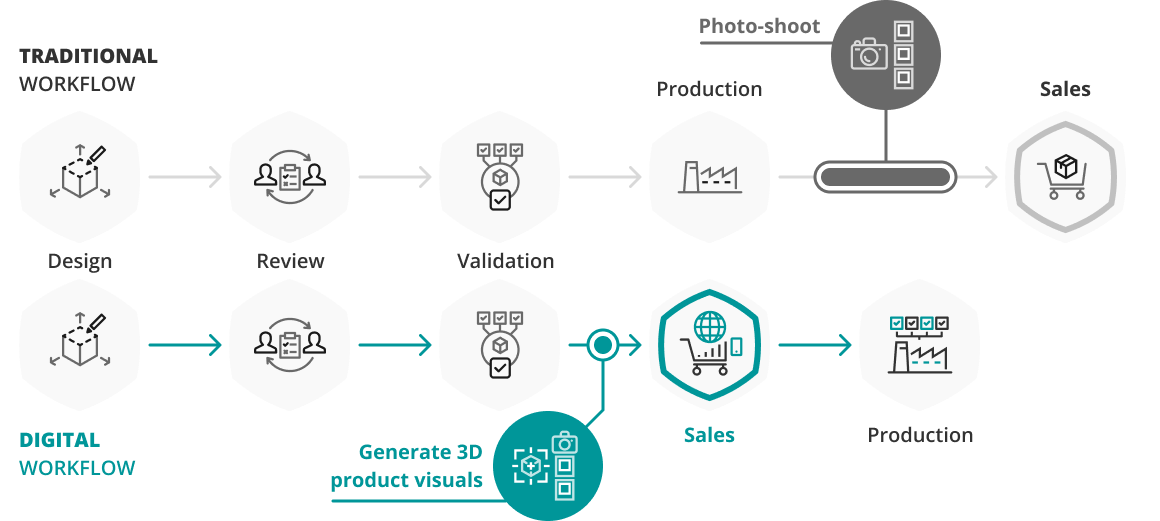
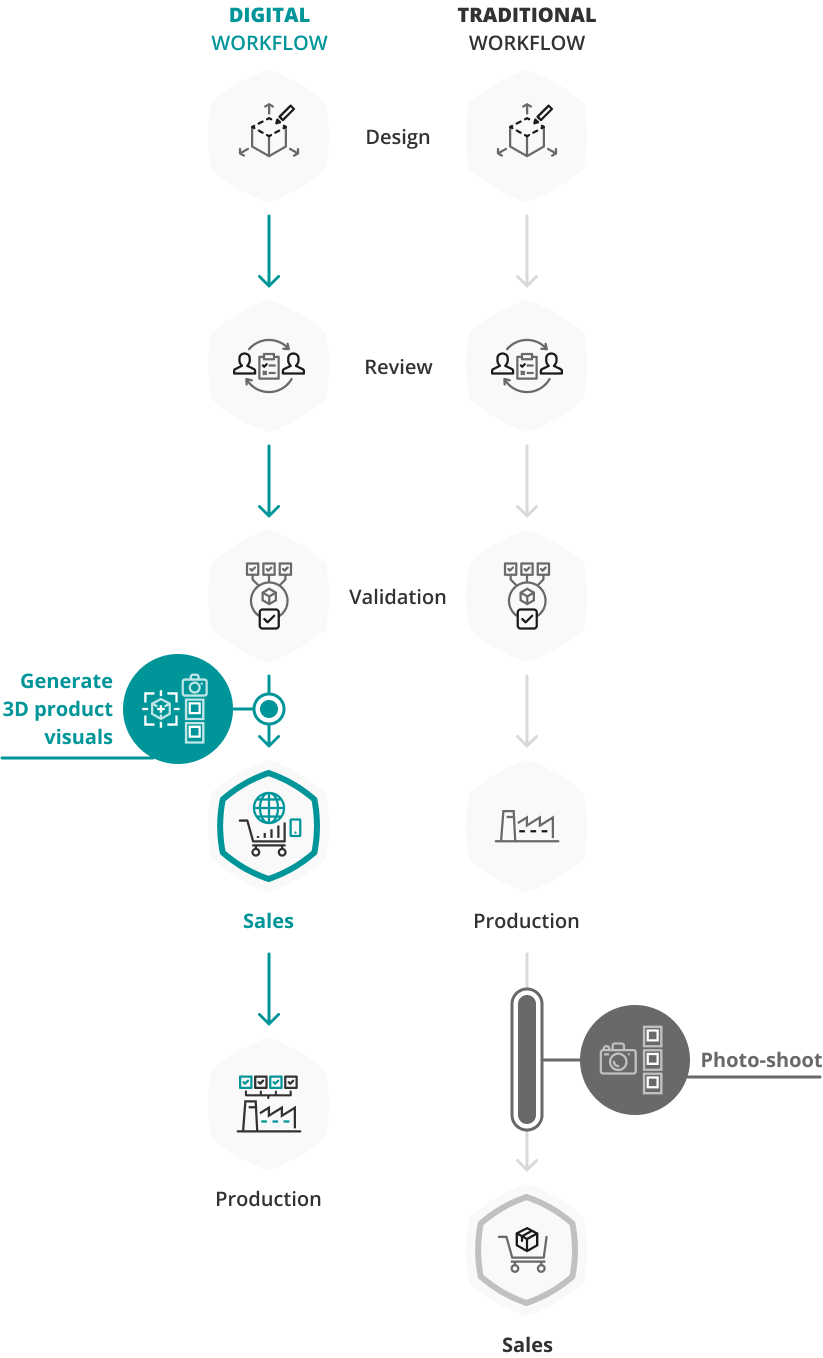
Create marketing & merchandising resources ahead of production
No more producing and waiting on physical samples for photo shoots!
3D photography allows you to generate photo-realistic product images using digital twins of your products.
Already designing products in 3D? Start generating your product images as soon as your new collection has been approved and accelerate your time to market!
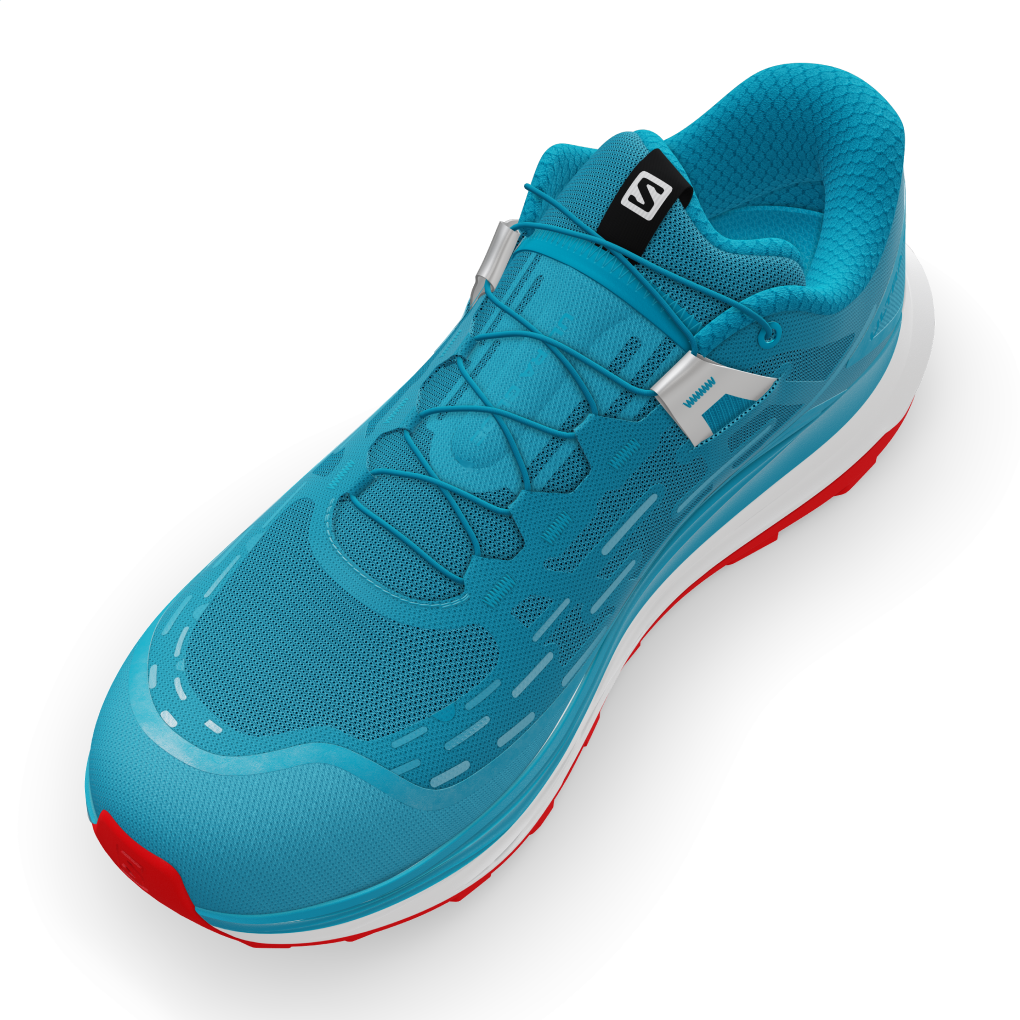
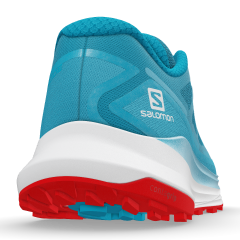
Automate content generation for each sales channel
Generating product imagery can be a challenge as online shoppers expect to see between 5-8 images for every product, from different viewpoints!
Plus each retailer has specific requirements for displaying your product content on their platform.
With the Emersya platform, you can create presets to automate image generation for each sales channel and distributor!

One 3D model, infinite possibilities
Leverage same 3D assets to create different types of content:
- product photography
- immersive videos
- interactive product experiences
- augmented reality
- product configurators and more!
Centralize, Scale & Automate
Easily update all
product visuals
Integrate with
DAM system
Automate product image generation
Still relying on costly photoshoots for every product launch or update?
Contact our team today and see how 3D product photography delivers consistent, photorealistic visuals for every variant—while reducing costs and manual work.


Frequently Asked Questions
What is 3D product photography?
3D product photography (also called virtual photography) is the process of generating product images from a digital 3D model of a product rather than from the physical product itself. Every element of a traditional photo shoot is replaced with a digital equivalent: the background, scenery and lighting are all created virtually. The product itself is represented by a digital twin: a highly accurate 3D model that replicates its materials, textures and geometry.
It’s worth noting the difference between 3D product photography and 360-degree product photography. 360° product photography uses specialized camera equipment to photograph a physical product from multiple angles in sequence, creating a rotating image. 3D product photography uses no camera equipment at all. It generates images digitally, for any given viewpoint, in any lighting, on any background, for any product variant, at any time.
How does 3D visualization compare to 3D photography?
3D visualization and 3D photography both use the same 3D models, but they serve different purposes and deliver different outputs.
A 3D product visualization is an interactive, real-time experience: customers can rotate the product freely, zoom in on details, switch between options and trigger animations directly on the product page, all powered by a real-time rendering engine running in the browser.
A 3D product image is a fixed, high-resolution output: a single render captured from a specific viewpoint. It can be used for both digital & printed marketing resources such as eCommerce pages, catalogs, retailer product pages or campaign assets.
360° product viewers sit somewhere in between. They enable customers to rotate a product through a pre-captured sequence of images, but the experience is far less flexible, far harder to update and far more limited in terms of options and interactivity than a true real-time 3D viewer.
The good news is that you don’t have to choose. Emersya offers both real-time 3D visualization and 3D product photography on the same platform, using the same 3D assets! Set up your assets once and use the platform to power your interactive product pages, your static imagery, your AR experiences and your configurators, across your all your retail channels.
What are ray-tracing and path-tracing?
There are several techniques for generating product images from a 3D model, each delivering a different level of visual realism. Ray-tracing and path-tracing are two of the most advanced and understanding the difference between them helps explain why some 3D product images look more convincing than others.
Ray-tracing is one of the most widely used rendering techniques for product imagery. It works by tracing the path of light rays as they travel through a scene, simulating how they reflect off surfaces, refract through transparent materials and cast shadows. The result is a high-quality, realistic image — particularly effective for hard surfaces, metallic finishes and glossy materials.
Path-tracing is a more advanced form of ray-tracing that produces the most realistic images by accurately simulating global illumination. This is the way light bounces between surfaces, fills shaded areas and creates subtle secondary effects such as softer shadows and color bleeding. It is more computationally intensive than standard ray-tracing, but the results are correspondingly more true-to-life.
Emersya uses path-tracing to generate high-resolution product images on the platform. This means that even the most demanding materials, like intricate woven textures, sheeny suede or complex surface finishes, are rendered with the level of fidelity that brands in luxury, furniture and fashion require.
Will 3D product visuals look as good as professional product photography?
With advanced rendering techniques like path-tracing, the gap between a 3D render and a professional photograph has become almost imperceptible. Accurate light simulation produces the soft shadows, realistic reflections, subtle subsurface effects and material depth that make an image feel true to life. With Emersya’s path-tracing rendering, the result is photorealistic imagery that meets the level of quality expected by even the most demanding luxury brands.
What are the benefits of 3D product photography?
3D product photography delivers advantages in cost, speed and flexibility, that traditional photography simply cannot match at scale:
- More cost-effective — generating images digitally eliminates the expenses of physical samples, studio hire, photographers, logistics and post-production editing. Switching to 3D can be more than 6x more cost-effective than traditional product photography.
- More efficient — new visuals are generated on demand, without scheduling shoots, waiting for samples or managing post-production. When a product changes, updating the imagery is as simple as updating the 3D model.
- Infinitely scalable — images can be generated for any number of products, colorways, configurations and viewpoints simultaneously, including all the specific formats required by different retailers and sales channels.
Together, these three benefits mean brands can produce more images, more easily, across their entire product range — without the logistical constraints of traditional photography.
The direct impact on the customer experience is significant. Shoppers increasingly expect to see multiple high-quality images per product, from several viewpoints, for every available variant. 3D product photography makes this achievable at scale: consistent, true-to-life product imagery across every SKU, every configuration and every channel. This both reinforces brand identity and gives customers the visual confidence they need to buy.
The benefits also extend earlier into the product lifecycle. With Emersya’s path-tracing rendering, brands can generate detailed, high-fidelity product images directly from their 3D design files, before a single physical sample has been produced. These renders are accurate enough to support design reviews, technical documentation and pre-launch marketing materials, accelerating time to market while significantly reducing the number of physical samples needed. Fewer samples means less waste, less logistics and a more sustainable product development process overall.
Which industries most benefit from 3D product photography?
3D product photography delivers the greatest value for brands that manage large numbers of product variants, configurable products or complex visual requirements. The industries that match this profile most closely are also the ones that have adopted it most widely.
In automotive and industrial sectors, 3D product photography has become the de facto standard: the complexity of configurable products and the impracticality of photographing every possible variant make it the only scalable solution. In fashion, footwear and furniture, most leading brands now use a mix of traditional photography and 3D-generated imagery, with 3D increasingly preferred for variants, colorways and pre-launch content.
As a general rule, if your products come in multiple variants, if you sell through multiple channels with different image specifications or if you need to generate visuals before products are physically available, 3D product photography will deliver measurable gains in both cost and efficiency.
Can 3D product imagery be generated before products are manufactured?
Absolutely! This is one of the most powerful advantages of 3D product photography. Because images are generated from a digital model rather than a physical product, there is no need to wait for manufacturing, shipping or sample delivery before your visual assets are ready. As soon as a product’s design has been approved in 3D, the imagery can be generated, reviewed and delivered to retailers, distributors and marketing teams, all weeks or months ahead of when the physical product would be available.
This fundamentally changes the product launch timeline. Brands can open pre-orders with complete, accurate product visuals already live. Retailers can list products on their platforms immediately. Marketing campaigns can be prepared in parallel with production rather than after it. For brands working to tight seasonal or pre-order deadlines, this is a significant competitive advantage.
Can 3D product photography keep up with frequent product updates and new collections?
Of course! This is precisely where 3D product photography outperforms traditional photography at scale. When a product design changes, a colorway is added, or a new collection is released, updating 3D imagery is as simple as modifying the relevant elements in the 3D model and regenerating the renders. No new photo shoot to schedule, no physical samples to ship, no studio to book. Updates that would take weeks with traditional photography take hours with 3D.
For brands that launch multiple collections a year or manage large, evolving product catalogs, this agility is a genuine operational advantage. Emersya makes updates even easier with the ability to create and update Material libraries on the Emersya platform then synchronize them across all related products simultaneously. Any changes to a colorway or fabric are reflected consistently across every product they apply to in seconds!
What equipment is needed for 3D photography?
Unlike traditional product photography or 360-degree product photography (which requires a turntable, specialist camera equipment and controlled lighting setups), 3D product photography requires no physical equipment at all. Everything you need is software and a 3D model of your product.
To get started, you need three things: a 3D model of your product, a rendering platform to generate the images and your chosen backgrounds, sceneries and lighting setups. The Emersya platform provides the rendering environment and all the setup tools directly online.
While standalone 3D rendering software like KeyShot, Blender or Adobe Substance Stager can also produce high-quality renders, these tools require significant technical expertise, long render calculation times per image and offer no native automation for generating images at scale across large product ranges.
Emersya is purpose-built for product imagery at scale: renders are calculated on the platform, image generation across all SKUs and viewpoints can be fully automated via web services and API, and the entire workflow is accessible without specialist 3D rendering expertise.
Do I need to redesign my existing workflow to use 3D product photography?
Not at all. If you are already an Emersya customer, you have everything you need to start generating 3D product imagery today as your 3D models and materials are already set-up on the platform.
If you are new to Emersya, getting started is straightforward. You upload your existing 3D assets ( Emersya supports 20+ file formats, so there is no starting from scratch), then fine-tune the rendering directly on the platform. Backgrounds, sceneries, lighting and viewpoints are all configured online through an intuitive interface. Emersya provides detailed guidelines for the preferred export settings from all major 3D modelling software, so your team knows exactly how to prepare assets for the best rendering results from day one.
For teams that want support getting set up, Emersya’s in-house expert team can handle asset preparation and platform configuration, under strict confidentiality.
Why choose Emersya for 3D product photography?
There are dedicated rendering tools on the market that produce excellent imagery. What sets Emersya apart is not just the quality of the renders, it’s the combination of rendering quality, platform usability and asset reusability that no other standalone tool can match.
On quality: Emersya’s platform uses state-of-the-art rendering techniques, including path-tracing, to generate high-fidelity product imagery that meets the visual standards of the most demanding industries – from luxury goods to high-performance sports equipment.
On usability: the entire workflow, (from uploading models to fine-tuning lighting, defining viewpoints and generating images), is managed through an intuitive online platform accessible to any team member, without specialist 3D rendering expertise. Image generation for an entire product range, across all variants and viewpoints, can be automated via Emersya’s web services and API, reducing a set-up that would otherwise take days to minutes.
On reusability: this is where the Emersya platform truly differentiates. The same 3D models and materials used for your product photography are the exact same assets that power your interactive 3D viewers, AR experiences, product configurators and sales tools. Set up once, and every team (product, marketing, e-commerce, sales) draws from the same source. Unlimited images and unlimited use cases, all from one easy-to-use platform.
What types of product imagery can be generated with Emersya?
From one set of 3D assets, Emersya can generate an unlimited number of product images to be used across all your channels, according to your requirements.
For eCommerce and retail: pack shots on white or custom backgrounds from any angle, variant and colorway imagery for every SKU, retailer-specific formats generated automatically to specification.
For marketing and brand: detail shots at any zoom level, before-production imagery for pre-launch campaigns.
For internal workflows: design review renders for product approval, tech pack visuals, B2B sales materials, custom quote documents with accurate product imagery.
Beyond static images, the same assets also power immersive video content, interactive 3D product viewers and AR experiences, all from the same platform, without any duplication of effort.
How does Emersya automate 3D product photography?
Automation is at the core of what makes 3D product photography scalable on the Emersya platform. Once your products, materials, viewpoints and sceneries are set up, image generation can be triggered automatically for any number of products, colorways, configurations and viewpoints simultaneously using Emersya’s web services.
In practice, this means you can define a set of image presets, (for example, the five standard angles required by a specific retailer, or the pack shot formats needed for a product launch) and generate all the corresponding images across your entire product range in one automated batch. No manual intervention or individual render queuing. When a new colorway is added to a material library or a product option is updated, the relevant images can be regenerated automatically and pushed directly to your DAM system for distribution.
For brands managing hundreds or thousands of SKUs, this is the level of automation you need to build a workflow that scales with your catalog.